
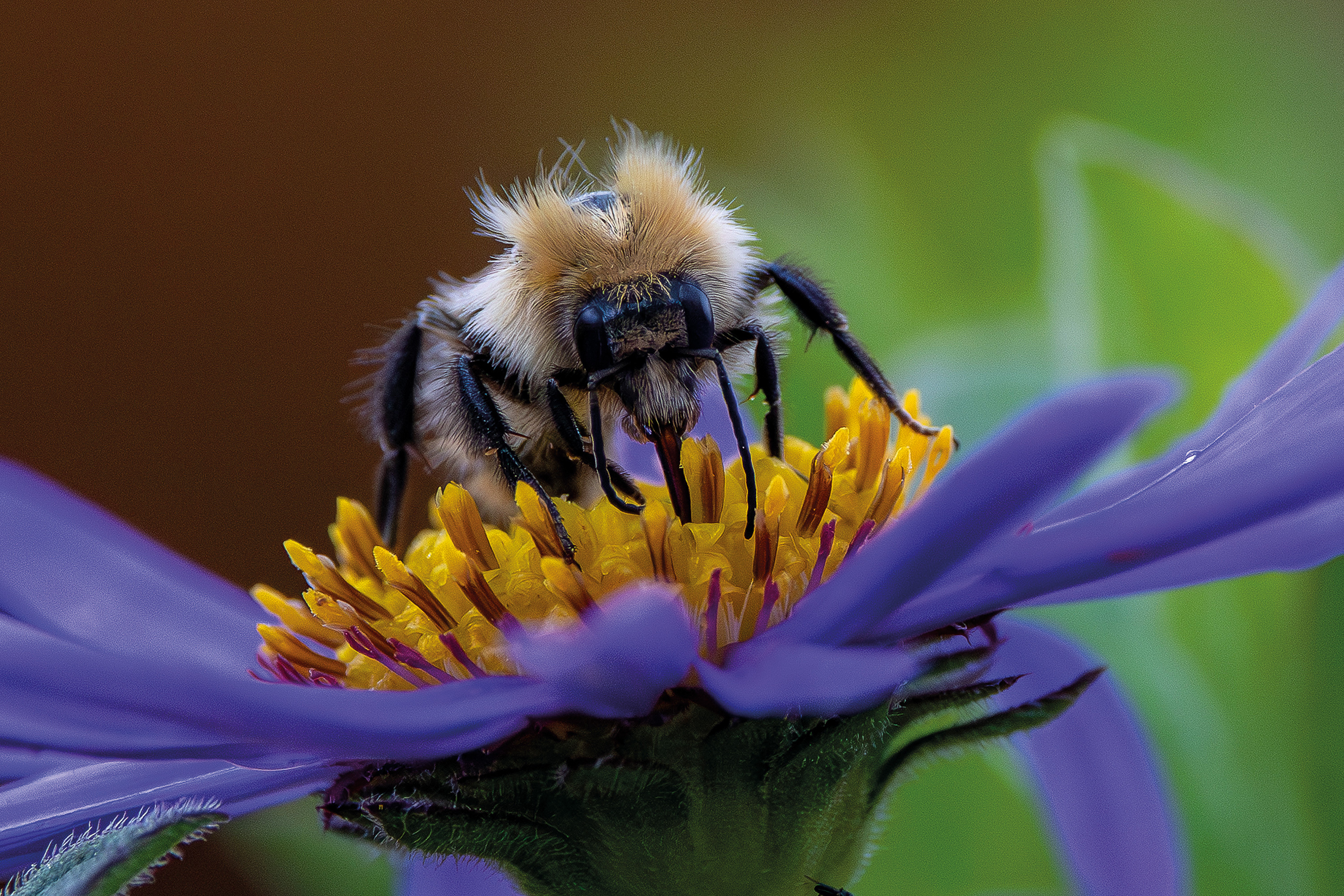
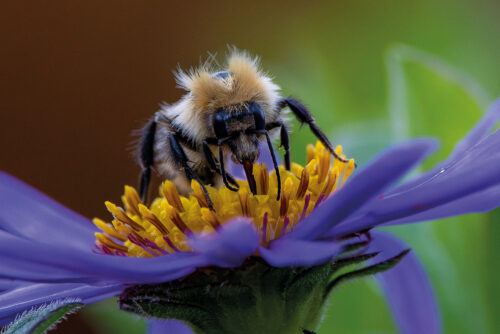
The Common Carder Bee Bombus pascuorum thrives in flower-rich meadows, gardens, hedgerows, woodland edges, and coastal grasslands. Although still common, the species faces growing threats from habitat loss, intensive agriculture, pesticide use and the decline of wildflower-rich grasslands. Climate change may also alter flowering times and reduce suitable habitat in some regions. The Common Carder Bee has specialized mouthparts adapted for both chewing and sucking nectar and pollen. Its most important feature is a long, flexible tongue, or proboscis, which allows it to reach nectar deep inside tubular flowers such as foxgloves, red clover and comfrey.
Peter Lau, a former British Fire Office and passionate nature lover, sustained a life changing sports injury in 2014. Now fully wheelchair dependent, Peter is now an advocate for inspiring people with disabilities to connect with nature.








































Join our mail list to stay in touch with announcements, special discounts and news from the natural world.
