
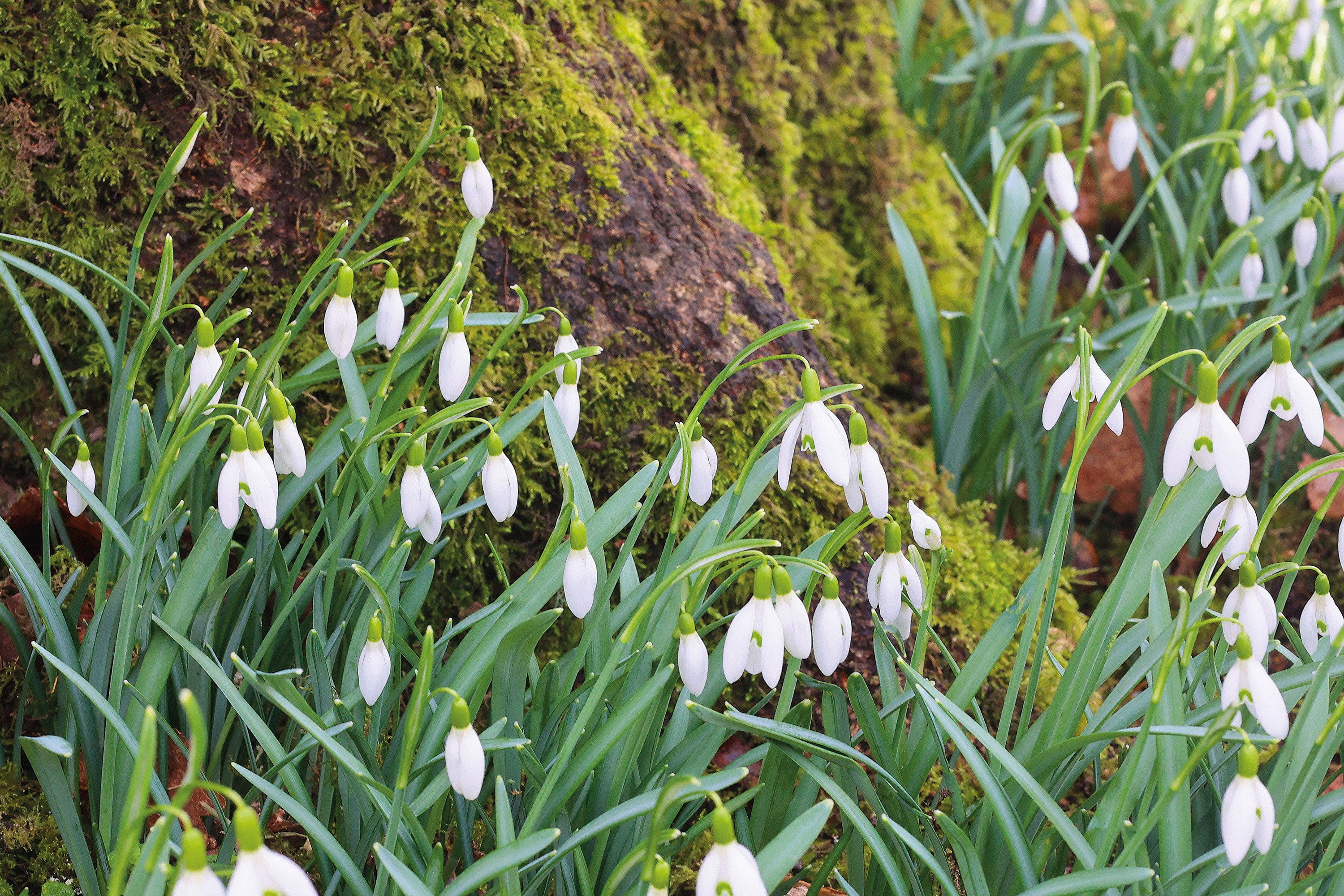
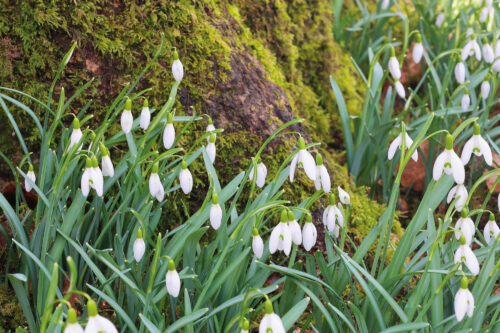
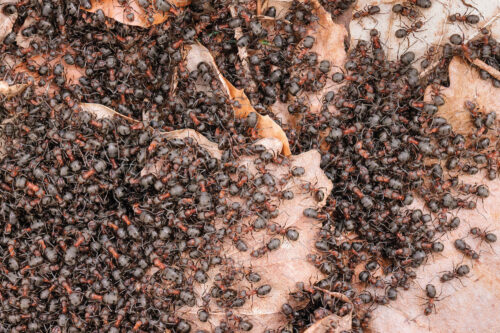
Common Snowdrops Galanthus nivalis are one of the first bulbs to emerge each year and flower between December and April. Their early appearance and widespread distribution are due to several mechanisms within the plant. Firstly, bulbs can reproduce vegetatively by growing offsets or new bulbs underground, and also by setting seed. The flowers hold their petals closed until the temperature is warm enough for pollinators to be actively foraging before they open. This gives solitary bees a good source of early nectar and is important for queen bumblebees and foraging ants. The ants then take the seed back to their nest, spreading the plant further.
For thirty years, John has ventured across the world returning with stories of his experiences of the wilderness which few have encountered. He has drunk tea with Thangboche’s High Lama in the Kumbu, collected shells from Pacific beaches, run with wilderbeests in the ancient dusts of Serengeti, hiked to hidden springs of Grand Canyon, encountered walrus’, wolves and streams of caribou in the low islands of Aleutian Alaska. His travels are infused with adventure and wonderment, from Galapagos to the Andes, Namibia, Mongolia and the Amazon Basin. Closer to home, John has photographed almost all wild land locations in Britain, from the windswept tors of Cornwall to white strands of the Outer Hebrides.
As a photographer of wilderness it is the drama of landscape, its biodiversity and wild weather that attracts him most. Major expeditions including seven months spent in Antarctica, a winter in Spitzbergen and an historic four hundred mile traverse of the Greenland Icecap, John's assignments have taken him to some of the wildest lands on Earth.
































Join our mail list to stay in touch with announcements, special discounts and news from the natural world.
